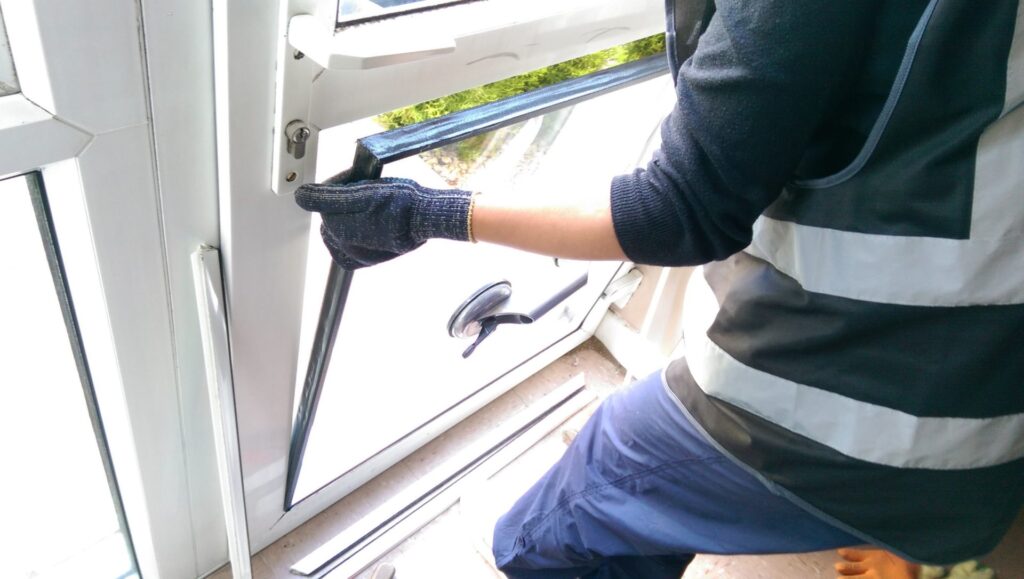
Looking Into The Future What Is The Window Scratch Removal Industry Look Like In 10 Years?
Window Scratch Removal: Effective Techniques for a Clear View
Window scratches can be a significant problem for property owners and vehicle owners alike. They can block views, affect looks, and even manage the inbound light. While deep scratches may require professional intervention, numerous small scratches can be gotten rid of through various DIY methods. This short article will offer an extensive summary of efficient methods for window scratch removal, the required products, and frequently asked questions to assist readers in achieving a clear and scratch-free surface area.
Comprehending Window Scratches
Scratches on windows can occur from various sources, including:
- Accidental contact with hard things like keys or metal tools.
- Environmental elements such as particles blown by wind or tree branches during storms.
- Inappropriate cleaning techniques utilizing abrasive fabrics or strong chemicals.
Various types of window materials, such as glass, plexiglass, or acrylic, might have differing susceptibilities to scratches. Therefore, it's essential to identify the window type before selecting a removal method.
Methods for Removing Window Scratches
The following table lays out different strategies for removing scratches from windows, together with the associated products and techniques.
Method
Materials Needed
Actions
1. Sodium Bicarbonate Paste
Sodium bicarbonate, water, soft fabric
1. Mix baking soda with water to form a paste.
2. Apply to the scratched area using a soft cloth.
3. Rub carefully in a circular movement for a couple of minutes.
4. Wash with water and dry with another cloth.
2. Toothpaste
Non-gel toothpaste, soft fabric
1. Use a percentage of tooth paste straight on the scratch.
2. Gently rub in a circular motion with a fabric.
3. Wipe away excess with a moist cloth.
4. Dry entirely.
3. Glass Polishing Compound
Glass polish, soft cloth
1. Apply a small quantity of glass polish to a clean cloth.
2. Rub it into the scratch using circular motions.
3. Buff the area up until clear.
4. Quick Window Repair with a moist cloth.
4. Cerium Oxide
Cerium oxide powder, water, soft fabric
1. Mix cerium oxide powder with water to form a paste.
2. Apply to the scratch utilizing a felt applicator or soft cloth.
3. Rub in a circular motion for numerous minutes.
4. Wipe the area with a moist fabric to get rid of residue.
5. Fine Sandpaper
2000-grit sandpaper, water
1. Moisten the sandpaper and window.
2. Gently rub the scratch in a straight line.
3. Rinse and dry the location completely.
4. Apply glass polish to restore clearness.
Essential Tips
- Always evaluate any method on a small, inconspicuous location of the window first to guarantee it does not trigger extra damage.
- When using abrasives like sandpaper, it's a good idea to be cautious and use very little pressure to prevent creating additional scratches.
Preventive Measures for Future Scratches
To reduce the risk of future scratches, think about the following preventive procedures:
- Use Soft Cleaning Materials: Opt for microfiber fabrics or soft sponges when cleaning up to prevent scratching.
- Avoid Abrasive Cleaners: Steer clear of severe chemicals and gritty cleaners that can etch glass surfaces.
- Implement Protective Films: Consider setting up protective films on windows, especially in lorries, to shield versus small dings and scratches.
- Keep Windows Free of Debris: Regularly tidy the outdoors and inside surface areas to avoid dirt accumulation that can scratch during cleansing.
- Be Mindful During Repairs: When working around windows, be additional mindful with tools and materials that might inadvertently get in touch with the glass.
Frequently Asked Questions (FAQs)
1. Can all window scratches be removed?
Not all scratches can be effectively removed. Deep cracks or chips frequently need professional repair or replacement. Minor surface scratches, however, can typically be treated utilizing the approaches pointed out above.
2. Is it safe to utilize sandpaper on glass windows?
Using sandpaper can risk further scratching if done incorrectly. If you choose to use this approach, go with very fine sandpaper (2000-grit) and apply minimal pressure. This strategy often functions as a last hope; thus, caution is advisable.
3. How do I understand what type of window I have?
Normally, glass windows are transparent and cold to the touch. Acrylic or plexiglass windows are generally lighter, more versatile, and may have a slightly plastic texture. Consider performing a scratch test in an inconspicuous area; glass will chip while acrylic will scuff.
4. Will professional services guarantee scratch removal?
Professional glass repair services frequently have actually specialized tools and substances for scratch removal. While many scratches can be minimized, total restoration might not always be possible, particularly with deep abrasions.
5. How frequently should I clean up windows to avoid scratches?
Routine cleaning is a good idea, but it needs to be carried out with care. Cleaning window surface areas about when a month with the suitable products and approaches can assist keep their clearness and prevent the buildup of dirt that results in scratches.
Window scratches can reduce the appeal and functionality of glass surface areas. Nevertheless, understanding reliable removal methods and taking preventive measures can considerably enhance a window's durability and appearance. By utilizing easy household items or specialized items, property owners and car owners can frequently restore clearness and make sure an ongoing clear view. With the right knowledge and tools, preserving scratch-free windows is attainable.